 listicle
Best Ways to Recover Abandoned Shoppers: 7 Proven Tactics
Table of Contents
- Why Shoppers Abandon Carts and What You Can Do About It
- 1. Simplify Your Checkout Process to Reduce Friction
- 2. Build an Abandoned Cart Email Sequence That Converts
- 3. Deploy Abandoned Cart Recovery Text Messages for Faster Results
- 4. Use Retargeting Ads to Re-Engage Abandoned Shoppers
- 5. Implement Exit-Intent Pop-Ups and Onsite Messaging
- 6. Select the Right Abandoned Cart Recovery Tools for Your Store
- 7. Measure Recovery Rate and Attribution to Optimize Your Strategy
- Frequently Asked Questions
Last Updated: October 6, 2026
Why Shoppers Abandon Carts and What You Can Do About It
The average cart abandonment rate sits at 70.19%, according to GetGlued's 2026 Cart Abandonment Statistics. That means nearly 3 out of 4 shoppers who load items into their cart never complete the purchase.
At NeuroAds Inc., we've analyzed thousands of abandoned carts across DTC brands. The good news? Most abandonment is recoverable. The bad news? It requires a coordinated strategy across email, SMS, ads, and checkout optimization. This guide covers the 7 proven tactics that actually recover lost sales, not just theoretical best practices.
Below, we'll show you exactly how to reduce checkout friction, automate recovery sequences, and measure what actually works. The strategies we cover can help brands recover lost revenue, depending on implementation quality.
1. Simplify Your Checkout Process to Reduce Friction
Checkout friction is the #1 preventable reason shoppers abandon carts. According to Baymard Institute's 2026 Cart Abandonment Statistics, 17% of U.S. online shoppers abandoned an order because the checkout process was too long or complicated. That's a direct conversion leak you can plug immediately.
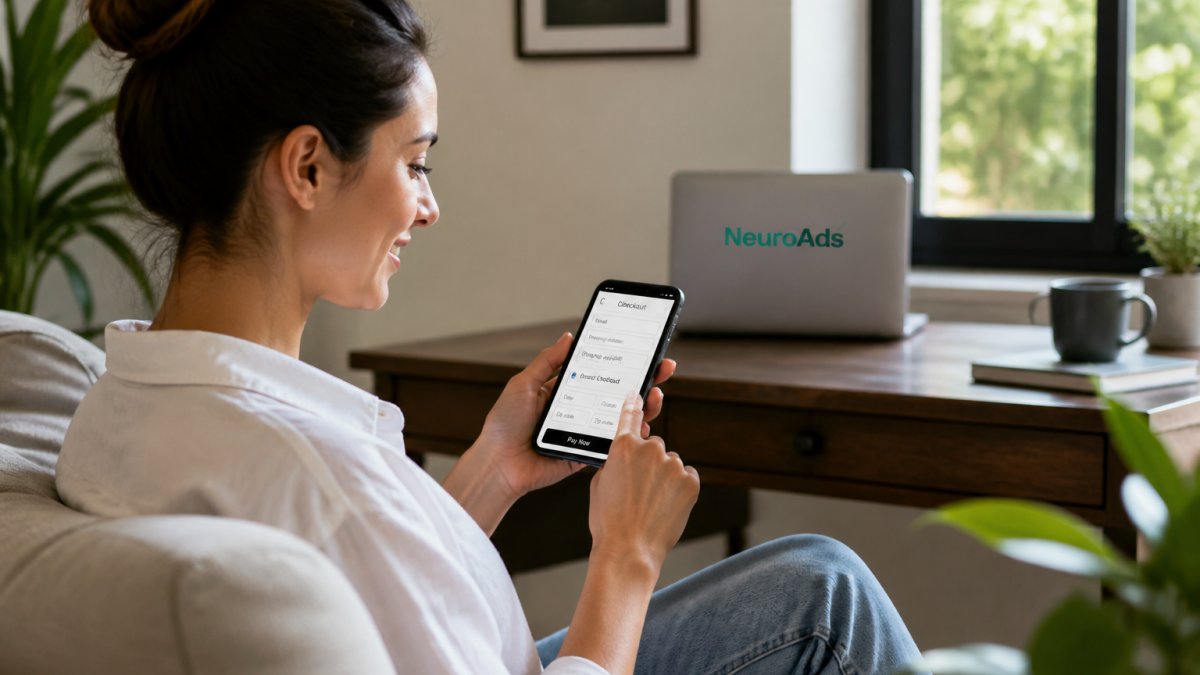
The fix: audit your checkout for unnecessary steps, required account creation, and confusing field labels. Every extra form field, every unexpected cost reveal, every page load adds friction. Mobile shoppers are especially sensitive, they'll bounce if your checkout isn't optimized for their screen size.
Guest Checkout and Account Creation Barriers
Requiring account creation before checkout is a classic abandonment driver. Force shoppers to create an account, and you lose impulse buyers. Make it optional, and conversion improves.
The best practice: offer guest checkout as the default path. Account creation should feel like a bonus, not a requirement. If you do ask for an account, save it for post-purchase or offer it as an optional step with clear value ("Create an account to track orders faster").
Shipping Costs and Delivery Options
Unexpected shipping costs are a major abandonment trigger. Shoppers add items, get to checkout, see a $15 shipping fee, and leave. The solution isn't always free shipping, it's transparency.
Show shipping costs early. Let shoppers see delivery options before they commit. If you offer multiple carriers or delivery speeds, let them choose. Some shoppers will pay for 2-day delivery; others prefer the cheaper 5-day option. Giving them control reduces surprise abandonment.
For higher-value orders, consider free shipping thresholds. A "Free shipping on orders over $75" banner reduces cart abandonment for orders near that threshold, shoppers add a few more items to qualify.
2. Build an Abandoned Cart Email Sequence That Converts
Abandoned-cart emails are the workhorse of recovery. According to SellersCommerce's 2026 Shopping Cart Abandonment Statistics, abandoned-cart emails can help recover about 10% of lost revenue. That's not a massive number on its own, but combined with other tactics, it adds up quickly.
The key is timing and relevance. Send the first email too soon, and it feels aggressive. Send it too late, and the shopper has moved on. Most brands see best results with a sequence: first email at 1 hour, second at 24 hours, third at 72 hours.
Abandoned Cart Email Examples and Timing
Email 1 (1 hour after abandonment): Keep it simple. Show the items left behind, remind them of the total, and include a single CTA button ("Complete Your Order"). No heavy selling, no discounts yet. Just a gentle nudge.
Subject line example: "You left [Item Name] behind"
Email 2 (24 hours later): If they didn't convert, now you can sweeten the deal. Offer a small discount (5-10%) or highlight urgency ("Only 2 left in stock"). Include customer testimonials or trust signals to address any lingering doubts.
Subject line example: "10% off your order, but not for long"
Email 3 (72 hours later): This is your last chance. Make the incentive stronger (15-20% off) and add scarcity language ("Last chance to save"). If they don't convert here, they're likely not coming back.
Subject line example: "Your final chance: 15% off expires tonight"
Each email should include a direct link back to their abandoned cart (pre-populated, so they don't have to search). Use dynamic content to show the exact items they left behind, not generic product recommendations.
3. Deploy Abandoned Cart Recovery Text Messages for Faster Results
SMS reaches shoppers faster than email and has higher open rates. While email sits in an inbox, a text message appears on their phone immediately. For time-sensitive shoppers, this can be the difference between recovery and lost sale.
SMS works best as a follow-up to email, not a replacement. Send the SMS 2-3 hours after the abandonment, or right after the first email bounces. Keep the message short: remind them of the item, include a link, optionally add a discount code.
Example: "You left [Item] in your cart. Complete your order now and save 10%: [link]"
The challenge with SMS is compliance. You need explicit opt-in consent before sending promotional texts. Build SMS capture into your checkout flow (optional, with clear disclosure) or add it as a post-purchase upsell.
4. Use Retargeting Ads to Re-Engage Abandoned Shoppers
Email and SMS reach shoppers who gave you their contact info. Retargeting ads reach shoppers who visited your store but didn't convert, even if you don't have their email. This is where you recover the "just browsing" segment.
Set up a retargeting pixel on your store. When a shopper visits without converting, they'll see ads for the products they looked at across Facebook, Instagram, Google, and TikTok.
AI Performance Marketing Platform →
Retargeting works because it's low-pressure and contextual. You're not chasing them with generic ads, you're reminding them of something they already showed interest in.
The best setup: segment your audience by behavior. Shoppers who viewed a product but didn't add it to cart get one message.
5. Implement Exit-Intent Pop-Ups and Onsite Messaging
Exit-intent technology detects when a shopper is about to leave your site (usually when their cursor moves toward the back button or browser tab).
Exit-intent pop-ups work because they're timely. You're catching the shopper at the moment they've decided to leave, before they're gone. The conversion lift is real, studies show they can recover 5-15% of would-be abandoners.
The key is relevance. Don't show the same pop-up to everyone. If a shopper abandoned checkout due to shipping costs, show a "Free shipping on orders over $50" offer.
Onsite messaging (banners, sticky headers, chat widgets) serves a similar function but less aggressively. A banner saying "Free shipping today only" or a chat widget offering help can nudge hesitant shoppers toward conversion without the jarring pop-up experience.
6. Select the Right Abandoned Cart Recovery Tools for Your Store
The tools you choose determine how easily you can execute these tactics. For Shopify stores, some tools are built-in; others integrate via apps. For other platforms, you'll need third-party solutions.
| Tool | Starting Price | Best For | Standout Feature |
|---|---|---|---|
| Shopify Checkout (native) | Included | All Shopify stores | Zero setup, built-in recovery emails |
| Klaviyo | Free (250 contacts) | Data-driven email + SMS | Predictive send times, dynamic content |
| Omnisend | $16/month | Multi-channel recovery | Email + SMS + push in one platform |
| Retainful | $19/month | Shopify-specific recovery | Coupon generation, real-time tracking |
| Privy | $30/month | Pop-ups + email | Exit-intent + list building |
| FullStory | Contact for pricing | Checkout friction analysis | Session replay, heatmaps, frustration signals |
Platform-Specific Tools and Integration Requirements
For Shopify stores, start with the native abandoned checkout email feature (included with all plans). It's reliable and requires zero setup.
For WooCommerce stores, Retainful is purpose-built and integrates seamlessly. It handles email sequences, coupon generation, and tracking without requiring custom code.
For custom platforms or high-volume operations, Klaviyo or Omnisend offer the most flexibility. Both integrate with most major platforms and give you granular control over timing, messaging, and segmentation.
The integration burden matters. If setup takes weeks and requires developer time, you'll delay implementation. If it takes hours and works out of the box, you'll launch faster and start recovering sales sooner.
Mid-market Shopify stores ($500K-$5M/year): Use Klaviyo or Omnisend for email + SMS automation. Both scale well and offer the segmentation and analytics you need to optimize recovery.
Enterprise or multi-channel: NeuroAds Inc.'s AI Advertising Platform handles cross-channel recovery with predictive targeting and automated optimization. It connects your ad spend to actual recovered orders.
7. Measure Recovery Rate and Attribution to Optimize Your Strategy
You can't improve what you don't measure. Most brands track "recovery emails sent" but not "revenue actually recovered." The difference matters.
Recovery rate is simple: (Revenue from recovered carts) / (Total abandoned cart value) = recovery rate.
Attribution is trickier. When a shopper receives an email, sees a retargeting ad, and then converts, which channel gets credit?
Better approach: use multi-touch attribution if your tools support it. Assign credit to each touchpoint based on its role in the conversion path.
Test and iterate.
| Recovery Tactic | Implementation Time | Best For | Key Metric |
|---|---|---|---|
| Checkout optimization | 2-4 weeks | All stores | Checkout completion rate |
| Email sequences | 1-2 weeks | All stores | Email click-through rate |
| SMS reminders | 1 week | Engaged audiences | SMS conversion rate |
| Retargeting ads | 1-2 weeks | All stores | Cost per recovered order |
| Exit-intent pop-ups | 1 day | High-traffic stores | Pop-up conversion rate |
| Recovery tools | Varies (1 day to 2 weeks) | Depends on platform | Overall recovery rate |
| Attribution tracking | 1-2 weeks | All stores | Multi-touch recovery ROI |
The goal isn't to implement all 7 tactics at once. Start with checkout optimization and email sequences (highest impact, lowest friction).
For DTC brands running paid traffic, NeuroAds Inc.'s AI Advertising Platform connects your recovery campaigns across channels.
Frequently Asked Questions
How do you recover an abandoned cart?
Recover abandoned carts through a multi-channel approach: send an automated email reminder within 1-3 hours of abandonment, follow up with a second email after 24 hours, and use SMS or retargeting ads if the shopper doesn't convert. Include the cart contents, address checkout friction, and consider a limited-time incentive. Track which channel drives the most recovered revenue to allocate resources effectively.
What should an abandoned cart recovery message say?
Effective abandoned cart messages should remind shoppers what they left behind, address common objections (like shipping costs or payment concerns), and create urgency without being aggressive. Example: 'You left [item] in your cart, complete your order in 2 minutes and get free shipping on orders over $50.' Include a direct link to the cart, show the item image, and keep the tone friendly and helpful rather than pushy.
When should you send an abandoned cart email?
Send the first abandoned cart email within 1-3 hours of abandonment when the shopper is most likely to remember their intent. Follow with a second email 24 hours later if the first doesn't convert. A third email after 72 hours can target shoppers who may have been away. Test different timing windows with your audience, some segments convert faster than others based on device type, traffic source, and cart value.
Do abandoned cart emails work?
Yes. Abandoned-cart emails recover approximately 10% of lost revenue according to industry research. Combined with SMS reminders and retargeting ads, recovery rates increase significantly. Success depends on timing, relevance, checkout friction reduction, and incentive strategy. Segmenting by cart value, abandonment reason, and shopper intent improves performance over generic broadcast emails.
Which tools help recover abandoned shoppers most effectively?
The best abandoned cart recovery tools integrate email, SMS, and retargeting into one platform. Klaviyo excels at automation and segmentation; Omnisend combines email, SMS, and push notifications; Retainful specializes in Shopify stores with coupon automation; and FullStory identifies friction points in your checkout. Choose based on your platform (Shopify, WooCommerce, etc.), budget, and whether you need advanced personalization or simplicity.