 comparison
Is NeuroAds Shopify Advertising Worth It?
Last Updated: October 24, 2026
Quick Summary
NeuroAds Shopify advertising is an AI-driven approach that combines paid campaign optimization across Google, Meta and TikTok with a chatbot for shopper recovery in one platform. It earns a place in the stack for DTC brands treating conversion, not traffic, as the bottleneck, though it is not a magic ROAS switch.
- NeuroAds sits on top of existing ad accounts, layering optimization, attribution and shopper recovery without migrating data.
- Connect Shopify first, then your highest-spend ad channel, and hold one attribution window for a full month.
- Compare blended ROAS and conversion rate at day 30, not day 7, because early data is noise.
- The clearest fit is steady daily order volume, concentrated spend on two or three channels, and a conversion problem.
- We would not recommend it to brands spending a few thousand dollars a month across channels.
Table of Contents
- NeuroAds Shopify Advertising: The Verdict Up Front
- Key Strengths: Where NeuroAds Advertising Platform Wins
- Weaknesses and Limitations to Know Before You Buy
- How NeuroAds Fits Into Your Shopify Advertising Platform Stack
- Shopify Advertising Analytics: What NeuroAds Measures and Reports
- The Shopify Abandoned Cart Recovery Chatbot Built Into NeuroAds
- Who NeuroAds Is For: Matching Merchant Type to Platform Fit
- Start With the NeuroAds AI Advertising Platform
- Frequently Asked Questions
NeuroAds Shopify Advertising: The Verdict Up Front
NeuroAds Shopify advertising is an AI-driven approach to running and optimizing paid campaigns for Shopify stores, combining ad optimization with chatbot-based shopper recovery in one platform. You can see the full AI advertising platform being judged here.
The case for it rests on a simple problem. Shopify reports that 37% of store owners named marketing as their top challenge, and Gartner found in 2026 that 81% of consumers say they aim to ignore or tune out ads. More spend against ad-blind audiences rarely fixes a conversion gap.
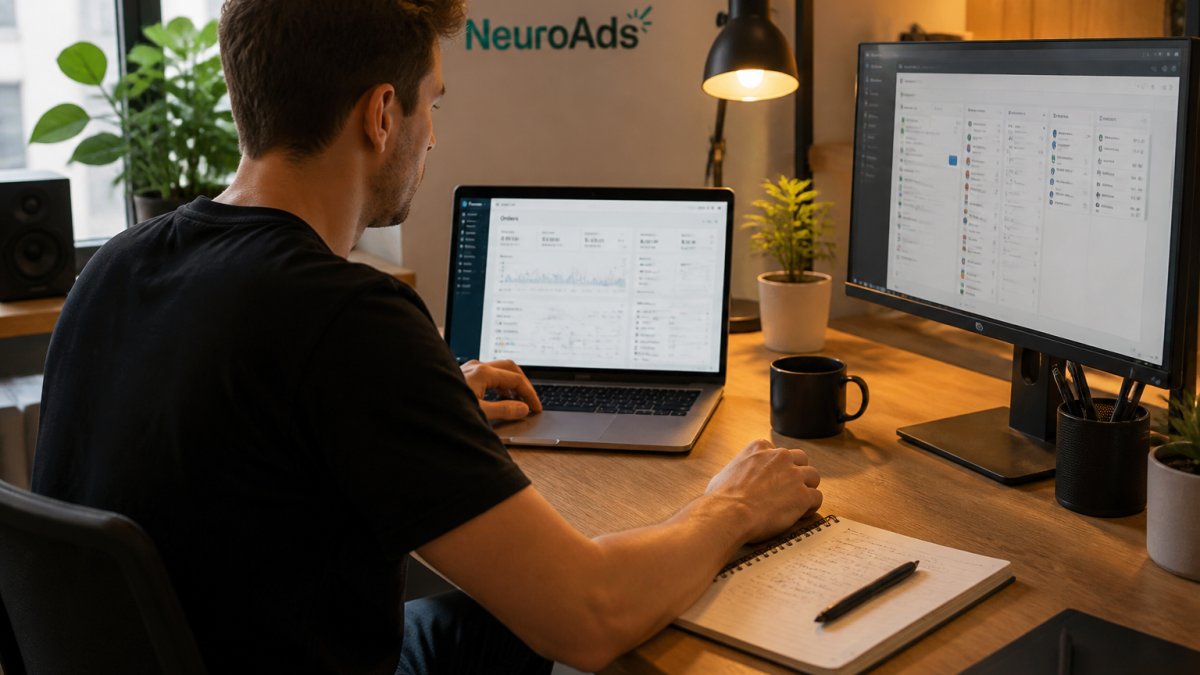
Below, we break down where the platform wins, where it falls short, how it fits beside Shopify's own ad tools, and which merchant profile gets the most from it.
Key Strengths: Where NeuroAds Advertising Platform Wins
Three capabilities carry the platform. First, it ingests ad account data, Shopify conversion data, and behavioral signals at the same time, according to the NeuroAds Paid Media AI 2026 review. That combination is the point: most tools optimize on click and spend signals and never see what the store actually converted.
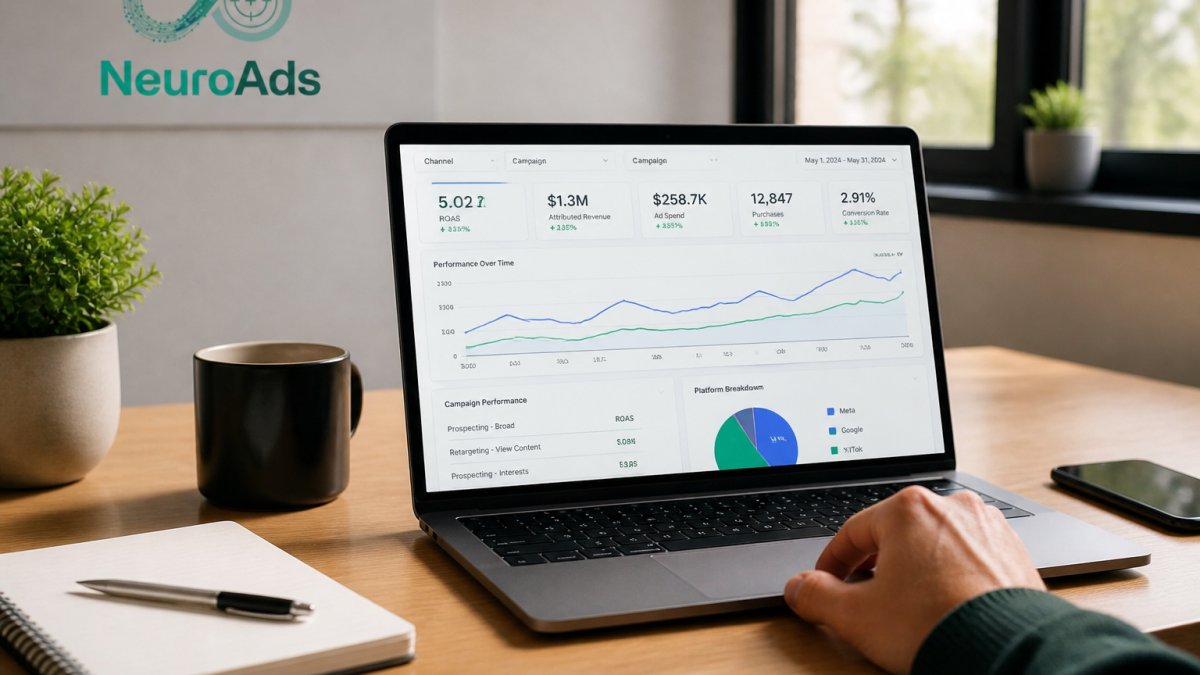
Second, the platform manages Google, Meta, and TikTok campaigns from one place and tracks revenue attributed through Shopify, per the NeuroAds AI Advertising Platform product page. Cross-channel budget allocation lives in the same interface, which removes a layer of spreadsheet reconciliation.
Third, the conversion-first framing is backed by the chatbot, which we cover in its own section below. For teams that want the mechanics of AI-driven ROAS improvement, our guide on how ecommerce brands can improve ROAS with AI walks through the targeting and bidding side in detail.
Weaknesses and Limitations to Know Before You Buy
The honest limitation is evidence. NeuroAds describes its three-stream data model and cross-channel management, but the available material does not publish controlled performance data.
Second, integration depth beyond Shopify is not documented in the material we reviewed. If your stack runs on a non-Shopify storefront or a homegrown data warehouse, confirm compatibility before you commit.
Third, the chatbot is the component buyers scrutinize hardest, and fairly so. Clunky bots do drive shoppers away. If you want an independent benchmark before evaluating ours, see our ranking of the best Shopify chatbot apps and compare objection handling and recovery flows side by side.
Watch out: judging the platform on ad performance alone in month one. The chatbot's recovery contribution shows up in conversion rate, not in the ad dashboard, so measure both.
How NeuroAds Fits Into Your Shopify Advertising Platform Stack
NeuroAds sits on top of your existing ad accounts rather than replacing them. You keep running Google, Meta, and TikTok; the platform layers optimization, attribution, and shopper recovery over the top. For a broader view, see our comparison of Shopify ad automation alternatives.
The practical question most merchants ask is how the data actually moves. A common pattern looks like this: Shopify remains the system of record for orders, revenue, and customer records; the ad platforms remain the system of record for spend, impressions, and clicks; NeuroAds reads from both and writes optimization decisions back to the ad accounts. Nothing is migrated, and no historical data is lost.
A practical setup sequence looks like this:
- Connect your Shopify store and confirm order and revenue data flows through. Check that refunds and discounts are handled the way your finance team reports them.
- Link each ad account you want managed, starting with your highest-spend channel. Confirm pixel and conversion API events are firing before you add the second channel.
- Set the attribution window you report on internally, then hold it steady for a full month. Changing windows mid-test makes every comparison meaningless.
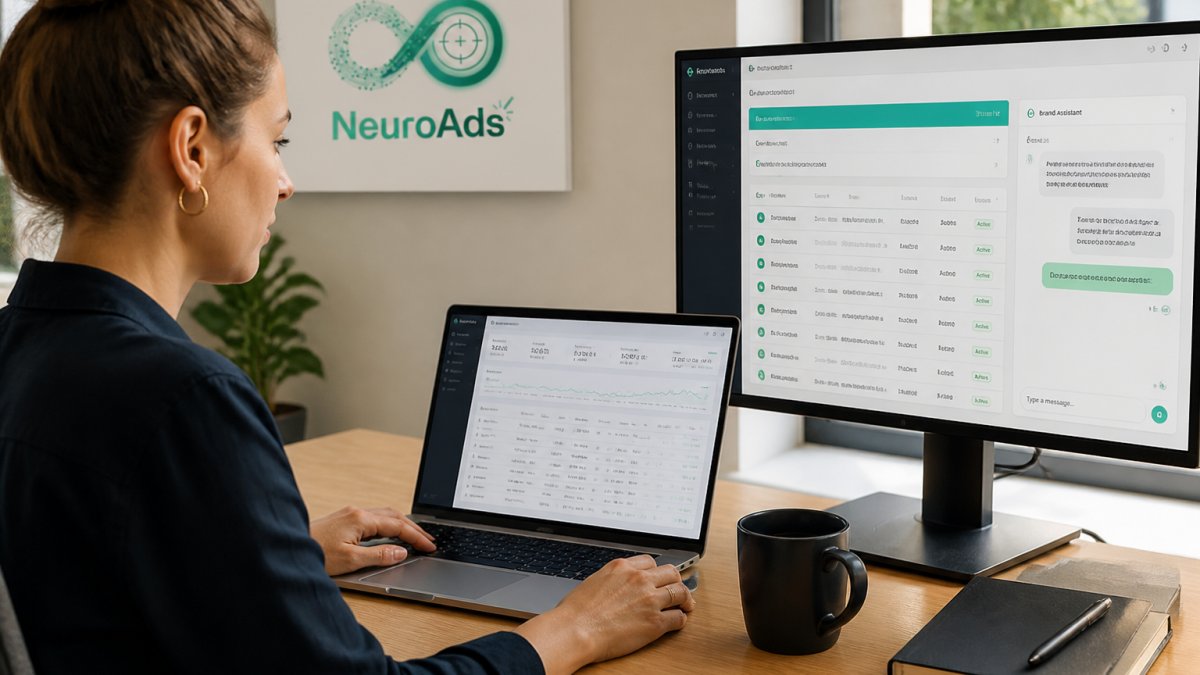
- Turn on the chatbot and review its objection-handling scripts before launch. Approve the flows for shipping, returns, sizing, and discount objections separately.
- Compare blended ROAS and conversion rate at day 30, not day 7. Early data is noise; the platform needs a full purchase cycle to learn.
Three compatibility questions are worth answering before you commit. First, confirm which creative formats the platform can read from each channel, since catalog and dynamic product ads behave differently from static creative. Second, confirm how the chatbot handles product feeds and inventory status, because a bot that recommends an out-of-stock item creates a support ticket rather than a sale. Third, confirm what happens to your data if you disconnect an ad account, since portability is part of evaluating any layer that sits between your store and your spend.
Shopify Advertising Analytics: What NeuroAds Measures and Reports
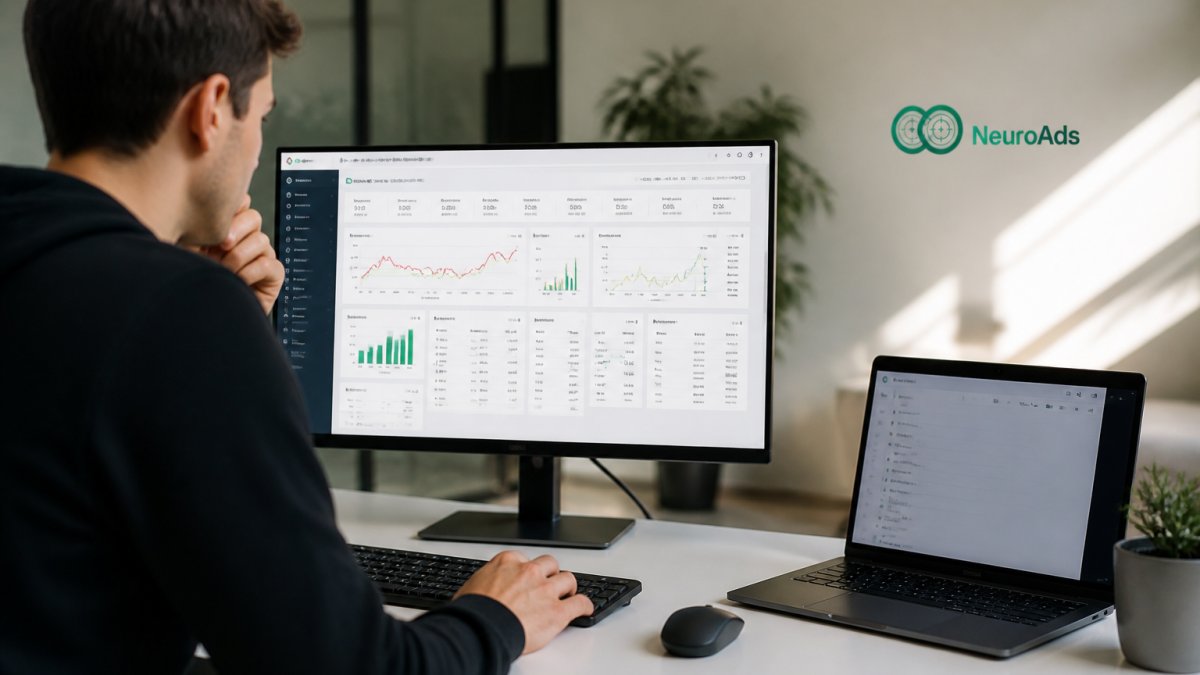
Shopify advertising analytics only matter when they connect spend to revenue. NeuroAds reports on the revenue side by tying ad performance to Shopify-attributed conversions, which is the metric that survives a CFO review. The platform's stated model pulls ad account data, Shopify conversion data, and behavioral signals into a single view.
That matters because the wider market is shifting. Email marketing revenue alone is projected to grow by $5.57 billion from 2024 to 2027 at a 13% compound annual growth rate, per Shopify's digital marketing statistics, and 91% of businesses now use video as a marketing tool. Creative volume is rising while attention is falling. Reporting that shows which creative and which channel actually converted, not just which got clicks, is the difference between optimizing and guessing.
AI Performance Marketing Platform →
| What You Need to Know | How It Works in NeuroAds | Why It Matters |
|---|---|---|
| Attribution source | Shopify-attributed revenue | Ties spend to actual orders |
| Channels covered | Google, Meta, TikTok | One view across paid channels |
| Behavioral signals | Ingested alongside ad and order data | Optimizes past the click |
| Shopper recovery | Integrated Shopify chatbot | Captures hesitant buyers |
| Reporting cadence | Continuous, in-platform | Faster budget shifts |
The Shopify Abandoned Cart Recovery Chatbot Built Into NeuroAds
A Shopify abandoned cart recovery chatbot is a conversational tool that engages shoppers before they leave and answers objections in the moment, rather than waiting for an email sequence to bring them back. NeuroAds builds this into the same platform that runs your ads, which is the structural advantage: the chatbot sees the campaign and creative that brought the shopper in.
Most recovery stacks start after abandonment. A chatbot that intercepts hesitation on the product page or at checkout addresses the objection while intent is highest. For a full walkthrough of the conversion mechanics, read our guide on the Shopify chatbot and how it increases conversions.
Best for: stores with meaningful traffic and a measurable drop-off between add-to-cart and purchase. Skip if: your traffic volume is too low for conversational recovery to generate enough data to tune.
Who NeuroAds Is For: Matching Merchant Type to Platform Fit
Fit depends on where your growth is stuck. If your ROAS has plateaued and your traffic is already healthy, a conversion-first platform is the right lever.
A more useful way to decide is to score yourself on four dimensions before you evaluate any platform, including this one.
1. Store size and order volume. The optimization layer learns from conversions, and the chatbot learns from conversations.
2. Advertising maturity. If you are still testing whether paid social works at all, a bid-management or creative-testing tool is the better first purchase.
3. Budget concentration. Merchants who spread small budgets across many channels rarely have enough per-channel data to optimize.
4. Use case. Ask which problem you are solving: creative that does not convert, cart abandonment, or cross-channel budget allocation.
| Merchant Profile | Fit | Reasoning |
|---|---|---|
| DTC brand, $2M+ revenue, plateaued ROAS | Strong | Enough traffic and conversion data to optimize |
| Shopify store with high cart abandonment | Strong | Chatbot recovery targets the gap directly |
| Multi-channel advertiser (Google, Meta, TikTok) | Strong | Unified campaign and budget management |
| Early-stage store, low traffic | Weak | Not enough signal for AI optimization to work |
| Non-Shopify storefront | Unclear | Integration depth beyond Shopify is undocumented |
We would not recommend it to a brand spending a few thousand dollars a month across channels.
Start With the NeuroAds AI Advertising Platform
The gap between a plateaued store and a profitable one is usually conversion, not traffic. NeuroAds Shopify advertising is built around that premise: optimize the ads, then recover the shoppers the ads deliver. You can see the full platform, including Google, Meta, and TikTok campaign management, Shopify revenue attribution, and the integrated chatbot, on the NeuroAds AI advertising platform.
If your ROAS has been stuck and your cart abandonment rate keeps climbing, the fix is rarely more spend. It is a tighter connection between the ad click and the purchase. NeuroAds Inc. brings AI-powered ad optimization, predictive targeting, and an integrated Shopify chatbot into one platform so you can optimize targeting and bidding, recover hesitant shoppers automatically, and measure revenue attributed through Shopify. NeuroAds Inc. helps turn paid traffic into profitable customers.
Frequently Asked Questions
What is NeuroAds Shopify advertising?
NeuroAds Shopify advertising is an AI-powered growth platform that combines ad optimization across Google, Meta, and TikTok with Shopify conversion data and a built-in chatbot. It ingests ad account data, Shopify conversion data, and behavioral signals at the same time, then uses those signals to adjust targeting, bidding, and creative testing. The goal is a conversion-first strategy that connects the ad click to the purchase rather than optimizing for clicks alone. Pricing details are available on the NeuroAds website.
How does NeuroAds help Shopify stores improve ad performance?
NeuroAds approaches ad performance from two sides. On the advertising side, it manages campaigns across Google, Meta, and TikTok and allocates budget based on Shopify-attributed revenue rather than platform-reported clicks. On the conversion side, its Shopify chatbot handles shopper objections and recovers abandoned carts before visitors leave. The platform's review materials describe this as combining three data streams, though no quantified performance outcome is published.
Does NeuroAds integrate with Shopify?
Yes. NeuroAds is built around Shopify conversion data and lists Shopify-attributed revenue tracking as a core capability. The platform also offers a Shopify chatbot app available through the Shopify App Store, which handles lead capture, objection handling, and abandoned cart recovery. The supplied research verifies Shopify integration specifically; detailed integrations beyond Shopify are not confirmed in the available results, so merchants with complex stacks should confirm compatibility with their email platform and other tools before signing up.
How does NeuroAds compare with Shopify Shop Campaigns?
Shopify Shop Campaigns is Shopify's own merchant advertising program, while NeuroAds is a third-party platform that manages campaigns across Google, Meta, and TikTok alongside Shopify data. The practical difference is scope: Shop Campaigns runs inside Shopify's network, and NeuroAds manages cross-channel campaigns with budget allocation and a chatbot for recovery. NeuroAds also tracks Shopify-attributed revenue so you can see which channel produced the sale. Neither option publishes a guaranteed ROAS.
Which Shopify stores are a good fit for NeuroAds?
NeuroAds is positioned for high-growth DTC and e-commerce brands running paid traffic on multiple channels, particularly those with fragmented data across Shopify, email, and ad accounts. Stores spending enough to justify cross-channel management and chatbot automation see the most overlap with the feature set. Smaller brands doing around $2 million in annual revenue should confirm whether the plan tiers and analysis credits match their volume. A free plan is available.