 how-to
How to Build a DTC Conversion Funnel Step by Step
Table of Contents
- Step 1: Map Your Buyer Journey and Define Funnel Stages
- Step 2: Build Your Top-of-Funnel Acquisition Engine
- Step 3: DTC Conversion Rate Optimization Best Practices for the Mid-Funnel
- Step 4: How to Reduce Cart Abandonment in DTC Checkout Flows
- Step 5: Choose the Right E-commerce Funnel Automation Tools
- Step 6: Set Up Attribution Modeling and Per-Stage Budget Allocation
- Step 7: Measure, Test, and Scale Your Funnel with 90-Day Playbooks
- Frequently Asked Questions
Last Updated: September 21, 2026
Step 1: Map Your Buyer Journey and Define Funnel Stages
Learning how to build a DTC conversion funnel step by step starts with one honest look at how your customers actually move. A DTC conversion funnel is the path a shopper takes from first seeing your ad to buying and coming back again.
The classic model splits into four stages: Awareness, Interest, Desire, and Action. Research from Amplitude's guide to funnel stages shows that funnel stages exist to pinpoint exactly where users drop off. FullStory's team adds that a funnel only works when it mirrors real buyer behavior, not a theory.
But AIDA alone is too simple for most DTC brands. Tribe Studio's analysis of modern funnel frameworks argues that retention and advocacy belong in the model too. After the first purchase, the funnel keeps going.
| Stage | What Happens | Common Leak |
|---|---|---|
| Awareness | Shopper sees your ad | Weak hook, high bounce rate |
| Interest | They browse your site | Slow pages, unclear offer |
| Desire | They add to cart | Doubt, no urgency |
| Action | They check out | Surprise costs, cart abandonment |
| Retention | They buy again | No follow-up email sequence |
Map each touchpoint before you spend a dollar on traffic.
Step 2: Build Your Top-of-Funnel Acquisition Engine
Top-of-funnel work is where most DTC budgets get burned. The goal is simple: bring in the right shoppers at a customer acquisition cost you can live with.
Start with your landing page, not your ad.
- Match ad creative to landing page copy word for word
- Load the page in under two seconds on mobile
- Put one clear offer above the fold
- Capture emails before shoppers leave
Step 3: DTC Conversion Rate Optimization Best Practices for the Mid-Funnel
DTC conversion rate optimization best practices for the mid-funnel come down to removing doubt. The shopper is interested. Now they need a reason to trust you.
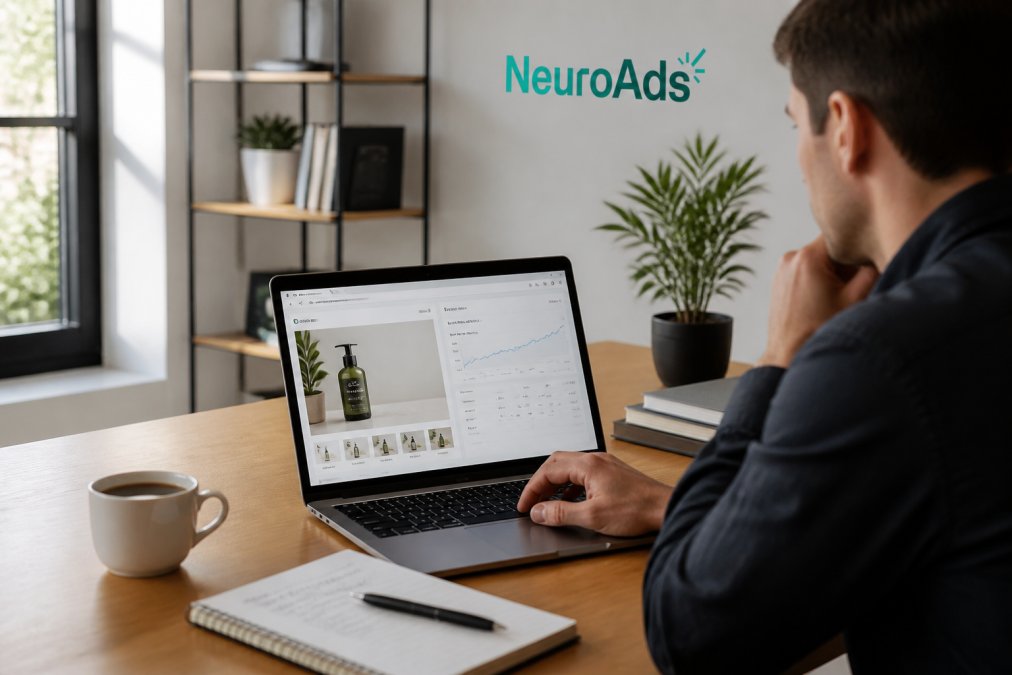
The Mid-Funnel Levers That Actually Move Revenue
Most guides stop at "add reviews and trust badges." The mechanism matters more than the tactic. Each lever below works because it closes a specific gap between interest and purchase:
- Reviews and user photos near the buy button, social proof reduces perceived risk at the exact moment of hesitation.
- Clear shipping and return terms, ambiguity about cost or returns is a top abandonment driver; stating terms up front removes the guesswork.
- Objection-handling chat, a live or AI chat that answers "will this fit," "when will it ship," and "can I return it" in real time keeps the shopper in the session instead of sending them to a search engine.
- Retargeting ads that echo the viewed product, continuity between the ad and the product page shortens the reconsideration cycle.
Benchmark Your Mid-Funnel Before You Test
You cannot optimize what you cannot compare. A common pattern among DTC brands is to benchmark each stage against itself month over month rather than against an industry figure, because category variance is wide. Track these four numbers per stage:
| Metric | What It Tells You | Where to Look |
|---|---|---|
| Add-to-cart rate | Interest-to-desire conversion | Product page analytics |
| Cart-to-checkout rate | Desire-to-action friction | Checkout funnel report |
| Checkout completion rate | Final-step friction | Payment and shipping settings |
| Revenue per visitor | Blended funnel health | Ad platform + store data |
Run Mid-Funnel Tests One Variable at a Time
Testing everything at once is the most common reason CRO programs stall. A workable cadence is one primary test per two-week window, with a control and a single variant. Document the hypothesis, the metric, and the result. Over a quarter, that produces six to eight clean learnings you can compound, far more useful than a dozen inconclusive tests.
Step 4: How to Reduce Cart Abandonment in DTC Checkout Flows
To reduce cart abandonment in DTC, cut every ounce of friction between cart and confirmation. Cart abandonment is rarely about price alone. It's about doubt and hassle.
- Show total cost, including shipping, before checkout
- Offer guest checkout
- Limit form fields to the essentials
- Send an abandoned cart email within one hour
Step 5: Choose the Right E-commerce Funnel Automation Tools
E-commerce funnel automation tools should connect your ad platforms, your store, and your email in one view. Fragmented tools create blind spots. This is the section most guides skip, they explain what a funnel is but never name the stack that builds one. Here is the concrete implementation layer.
The Four Jobs Your Stack Must Cover
A complete DTC funnel stack handles four jobs. Map each job to a category of tool, then choose a vendor per category:
| Job | Tool Category | What It Does |
|---|---|---|
| Acquisition | Ad platform + creative testing tool | Runs paid traffic and rotates creative |
| Landing page performance | Storefront + page builder | Hosts product and landing pages, tracks micro-conversions |
| Email capture and recovery | Email service provider (ESP) | Captures leads, sends browse and cart recovery flows |
| Retention and support | Helpdesk + AI chatbot | Answers objections, handles post-purchase questions |
How the Stack Connects
The value is not in any single tool, it is in the data flowing between them. A shopper who starts a quiz on your landing page should trigger an email if they abandon, a retargeting audience if they do not convert, and a chat prompt if they return to the product page. That requires:
- A shared customer identifier across store, email, and chat
- Event tracking on micro-conversions (quiz start, size guide click, email signup)
- A single dashboard that ties ad spend to revenue, not just clicks
Build vs. Buy Trade-offs
Most DTC brands should buy, not build. Custom attribution or chat infrastructure is expensive to maintain and rarely differentiates the customer experience. The exception is data ownership, if your funnel depends on first-party data you collect yourself, invest in owning that layer rather than renting it from a platform that may change its terms.
A Practical Starting Stack
A workable starting point is one tool per category, integrated through your storefront's native app ecosystem. Add tools only when a specific stage is provably leaking and the current tool cannot fix it. Adding tools before you have data creates complexity without insight.
Step 6: Set Up Attribution Modeling and Per-Stage Budget Allocation
Attribution modeling answers one question: which touchpoints actually drive revenue? Get this wrong and you'll fund the wrong channels.
A simple budget split to start:
- 60% acquisition
- 25% mid-funnel retargeting and CRO
- 15% retention and email
Step 7: Measure, Test, and Scale Your Funnel with 90-Day Playbooks
A 90-day playbook turns funnel work into a repeatable system. Static strategies stall. Iterative testing compounds.
Run each quarter in three phases:
- Days 1-30: Audit every stage and find the biggest leak
- Days 31-60: Test fixes on one stage at a time
- Days 61-90: Scale what works and document it
Frequently Asked Questions
What are the essential stages of a DTC conversion funnel?
A DTC conversion funnel typically moves through awareness, interest, desire, and action, with retention and advocacy stages extending past the first purchase. Amplitude categorizes funnels into these distinct stages to pinpoint where users drop off. For DTC brands, the highest-leverage stages are usually the mid-funnel (where purchase intent forms) and checkout, since that is where cart abandonment and objections kill revenue. Mapping each stage against real user behavior, as FullStory recommends, shows exactly where to invest budget and creative.
How do I reduce cart abandonment in DTC stores?
Start by auditing your checkout for friction: unexpected shipping costs, forced account creation, and slow load times are the biggest killers. Then add recovery automation. Triggered email sequences and an on-site chatbot that answers objections in real time can recover shoppers before they leave. Pair that with retargeting ads that reflect the exact product viewed. The goal is to catch hesitation at the moment it happens, not hours later, because purchase intent fades fast once a shopper closes the tab.
What is a good conversion rate for a DTC funnel?
Benchmarks vary by category, traffic source, and average order value, so there is no single universal number. What matters more is your revenue per visitor and how each funnel stage converts relative to the next. Advanced CRO strategies, including testing frameworks and psychology-based triggers, can boost DTC conversion rates by 35% to 75% according to Attn Agency. Track micro-conversions like add-to-cart and email signups so you can diagnose which stage is leaking before it hits the final purchase.
How can AI improve conversion rates in a DTC funnel?
AI improves DTC funnels in two ways: smarter ad targeting and faster objection handling. Predictive targeting shifts budget toward the audiences and creatives most likely to convert, which lifts return on ad spend. On the store side, an AI chatbot can answer sizing, shipping, and product questions instantly, recovering shoppers who would otherwise abandon. Industry guidance for 2026 points to unified, AI-powered conversion stacks that connect acquisition, landing page optimization, email capture, and retention into one system rather than four disconnected tools.
Building a DTC conversion funnel that actually converts takes more than good ads. It takes connected data, fast recovery, and constant testing. NeuroAds Inc. brings AI-powered ad optimization, predictive targeting, and an integrated Shopify chatbot together so your funnel runs as one system, from first click to repeat purchase. Get started with NeuroAds Inc. and turn paid traffic into profitable customers.