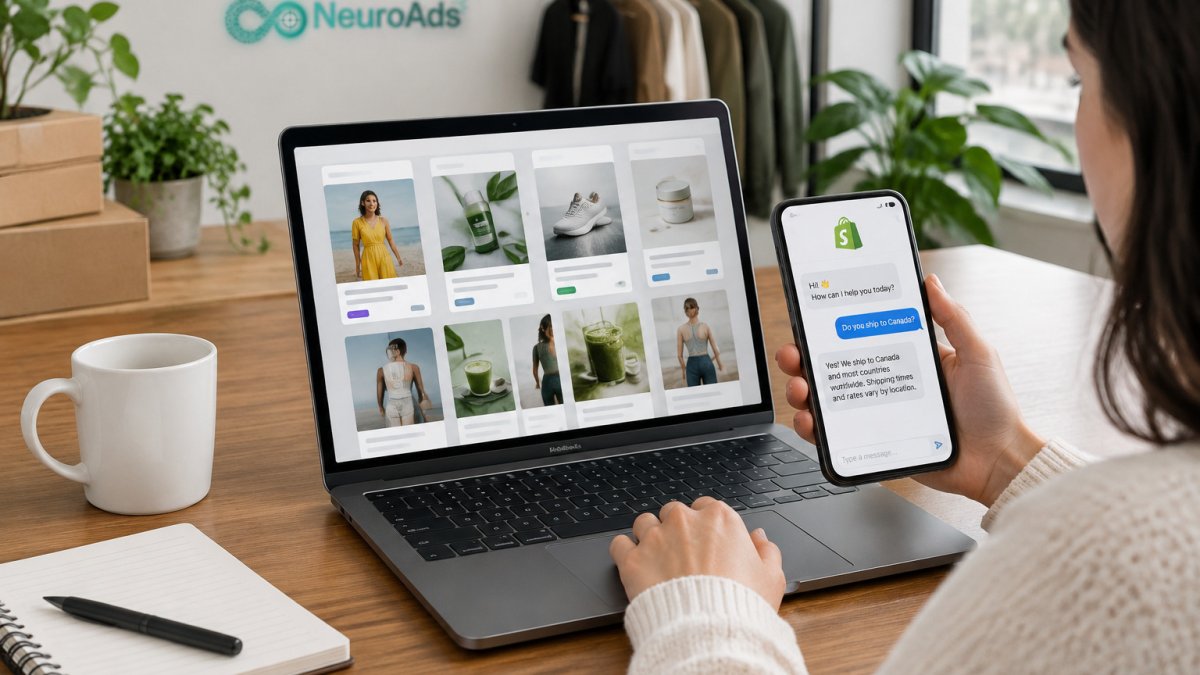
 How-to
How to Test AI Ad Hooks, Offers, and Visuals
Quick Summary
Ad hook testing means changing only the opening line of an ad while keeping the offer and visual fixed, so you can see which hook earns attention. Hooks, offers and visuals each do a different job, so each should get its own test window. Hook rate is the first metric to check.
- Test one variable at a time: hook, offer or visual, never all three together.
- Write three to five hook variations per concept, each kept short and specific.
- Keep the first line under 10 words and put the most important word first.
- Read hook rate, completion rate and ROAS in sequence before declaring a winner.
- Compare variants only within the same channel, since platforms define views differently.
Table of Contents
- Why Hooks, Offers, and Visuals Need Separate Tests
- Writing Effective Ad Hook Examples to Test
- Using AI Ad Creative Prompts to Generate Variations
- Setting Up an Offer Test Without Muddying the Data
- AI Tools for Ad Creative and Visual Testing
- Reading Results: Hook Rate, Completion, and ROAS
- Next Step: Put Your First Test Into Production
- Frequently Asked Questions
How to Test AI Ad Hooks, Offers, and Visuals
Last Updated: November 10, 2026
Why Hooks, Offers, and Visuals Need Separate Tests
Ad hook testing gets skipped more than any other step in paid media. Teams swap a headline, a price and a thumbnail in the same launch, then wonder why results are unclear. The fix is to test one variable at a time.
Hooks, offers and visuals each do a different job. The hook earns the first few seconds of attention. The offer gives a reason to act. The visual makes the message believable in a scroll. When all three change at once, you cannot tell which one moved the numbers.
Ad hook testing works best when each element gets its own test window. Here is the basic logic:
- Hook test: Same offer, same visual, different opening lines
- Offer test: Same hook, same visual, different deal structure
- Visual test: Same hook and offer, different creative format
Hook rate is the first place to look.
Writing Effective Ad Hook Examples to Test
A strong hook stops the scroll in the first two seconds. Most hooks fall into a few patterns you can test quickly.
Write three to five variations per concept. Keep each one short and specific:
- Question: "Are your Shopify ads paying for browsers who never buy?"
- Bold claim: "Cut wasted spend before it hits your checkout."
- Problem call-out: "Your ROAS dropped. Here is why."
- Curiosity gap: "The one audience signal most DTC brands ignore."
Keep the first line under 10 words. Put the most important word first. Avoid vague openers like "Looking for better ads?" because they give the viewer no reason to stay.
Using AI Ad Creative Prompts to Generate Variations
AI ad creative prompts help you produce hook variations faster. The goal is volume with control. Give the model one constraint at a time.
Try a prompt like this:
"Write 5 opening hook lines for a Shopify skincare ad. Target audience: women 25-40 who have abandoned a cart. Each line must be under 10 words, name a specific problem, and avoid the words 'new' or 'effective.'"
Review every output by hand. AI tools often produce generic lines. For returning visitors, retargeting intelligence applies AI to that audience, so you can compare how generated variations perform with people who already know your brand. Keep the ones that sound like your customer talks. Cut anything that makes a claim you cannot back up.
Setting Up an Offer Test Without Muddying the Data
Offer testing compares deals, not messages. Keep the hook and visual identical across all offer variants.
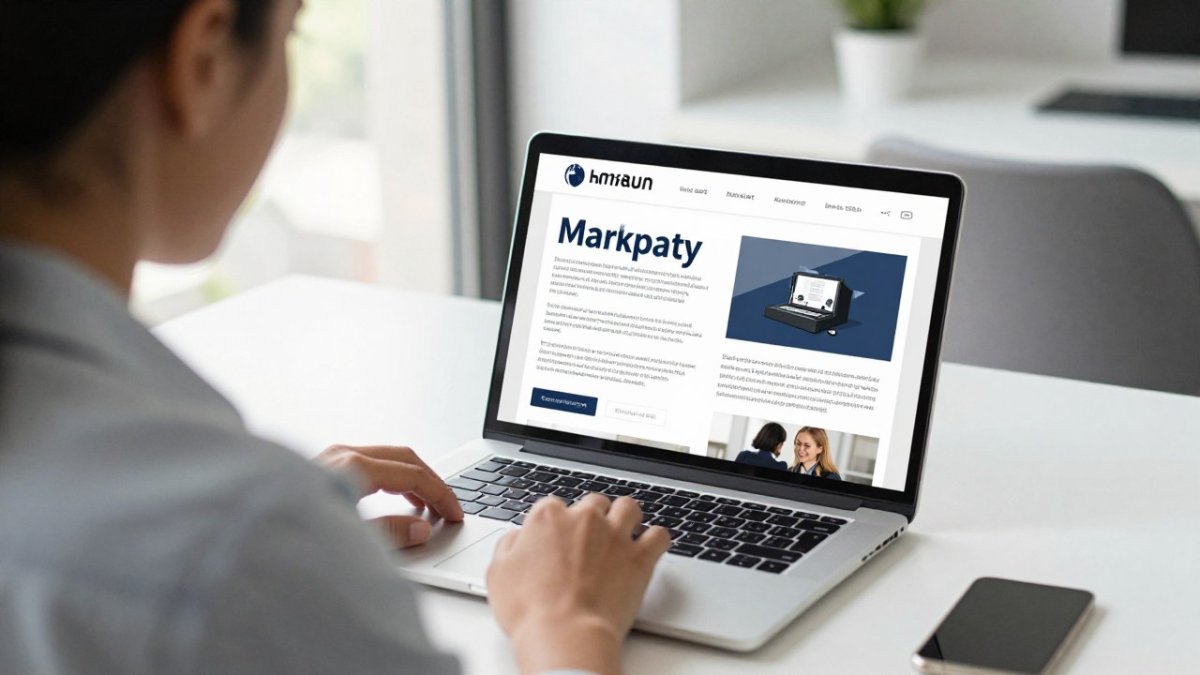
A marketing manager reviews side-by-side offer creative on a laptop in a bright office.
Run each offer with a fixed budget and a fixed audience. To understand how real-time campaign optimization handles changing variants during a live test, review how the system behaves when budgets shift mid-test. Common offer variables include:
- Percentage discount versus dollar-off discount
- Free shipping threshold versus flat free shipping
- Bundle pricing versus single-item pricing
Let each test run long enough to collect meaningful conversions before you judge it. Stopping a test early is one of the most common ways teams pick the wrong winner.
AI Tools for Ad Creative and Visual Testing
AI tools speed up visual testing in two distinct ways: they generate new creative variants, and they help you compare how those variants perform across formats. Treat them as two stages of one pipeline rather than one tool that does everything.
The generation stage is where most teams start. Image and video generators can produce background swaps, product-angle variations, and text-overlay changes from a single approved asset. The discipline that matters here is keeping the source asset fixed and changing one visual attribute per variant, the same rule you apply to hooks and offers. If a generated image changes the product color, the lighting and the layout at once, you have created a new ad, not a controlled test.
The comparison stage needs a clear way to label each variant so results can be traced back to the attribute that changed. A simple naming convention works: concept, hook ID, offer ID, visual ID, and format. Without that structure, reporting across Meta, TikTok and Google becomes a manual reconciliation exercise.
When you are choosing tools, match the category to the job:
| Testing Goal | What to Look For | Best Use |
|---|---|---|
| Hook variations | Fast text generation, brand voice control, character limits per platform | Early-stage concept testing |
| Visual variations | Image or video generation, aspect-ratio export for 9:16, 1:1 and 4:5 | Isolating one visual attribute at a time |
| Creative fatigue monitoring | Frequency and CTR trend reporting by creative ID | Deciding when to rotate a winning visual |
| Performance analysis | Cross-channel reporting, creative-level breakdowns | Scaling winners into budget |
Creative fatigue is the stage most teams underestimate. A visual can win for two weeks and then decline as the same audience sees it repeatedly. Track frequency alongside CTR. When frequency rises and CTR falls over several days, that is the signal to introduce a new visual variant, not to rewrite the hook.
The NeuroAds Inc. AI Advertising Platform is available at https://app.neuroadsinc.com for running creative tests across your ad channels. For Shopify stores, the Shopify AI Chatbot (https://apps.shopify.com/neuroads-chatbot) can help answer shopper questions after the click. Turn conversations into checkouts with an AI chatbot that recommends products and tracks orders on your site and WhatsApp.
Watch out: a generated visual can carry a claim the product cannot support, such as an implied result or an unavailable color. Review every generated asset against the product page before it goes live.
Reading Results: Hook Rate, Completion, and ROAS
Test results need a clear reading order, because each metric answers a different question. Read them in sequence, and do not declare a winner from any single one.
Hook rate measures the share of impressions that watched the first few seconds of a video. In most reporting setups it is calculated as three-second video views divided by impressions. It tells you whether the opening earned attention, and nothing more. A high hook rate paired with a weak ROAS usually means the hook is attracting curiosity without intent.
Completion rate measures how many viewers stayed through to the offer or call to action. It is typically total watches to the end divided by starts. This is where offer clarity shows up. If hook rate is strong and completion drops sharply, the hook promised something the body of the ad did not deliver.
ROAS (return on ad spend) is attributed revenue divided by ad spend over the same window. It is the metric that tells you whether the variant is profitable, and it is the slowest to stabilize because it depends on conversions, not views.
The disagreements between these metrics are where the useful diagnosis lives:
- High hook rate, low completion: the hook is misleading or the offer appears late. Shorten the path to the offer.
- High completion, low ROAS: the audience is engaged but the offer or landing page is failing. Test the offer, not the hook.
- Low hook rate, high ROAS on the few who watched: the hook is weak but the audience it reaches is valuable. Test a stronger opening with the same body.
Most practitioners wait until each variant has accumulated enough conversions to compare fairly before judging ROAS, and they confirm that a winner holds across several separate days. For a deeper walkthrough of the testing method, see the NeuroAds creative testing how-to guide. A single strong day often reflects audience timing, not creative quality.
Watch out: comparing hook rates across platforms is unreliable, because each network defines a view differently. Compare variants only within the same channel and placement.
Next Step: Put Your First Test Into Production
Start with one hook test this week. Pick a single offer, write three hook variations, and run them against the same visual. When you are ready to run it on paid channels, the AI advertising platform for Meta, Google and TikTok ads brings those tests into one place. Once you have a clear winner, move to offer testing, then visual testing.
NeuroAds Inc. offers an AI Advertising Platform (https://app.neuroadsinc.com) for AI ad optimization and predictive targeting.
Ready to test smarter? Start with the AI Advertising Platform to manage your cross-channel ad tests and track ROAS in one place.
Frequently Asked Questions
What are AI-generated ad hooks?
AI-generated ad hooks are opening lines or first seconds of a video or static ad that a language or vision model drafts from a brief, product description, and past top performers. They are not a separate ad format. Their value comes from speed: a team can produce dozens of openers in minutes and then test them against each other. Every generated hook still needs a human check for accuracy and brand fit, and it still has to win on measured performance, such as hook rate on Meta, before it earns more budget.
How many ad creative variations should you test at once?
Test a small number of variations at a time so each one gets enough impressions to read. For most DTC accounts, changing one variable across three to five creatives is a workable starting point. Testing ten hooks, five offers, and four visuals at once spreads budget too thin to separate signal from noise. Isolate the variable you care about, such as the hook, keep the offer and visual constant, and only then move to the next variable.
How long should you run an ad creative test?
Run a creative test until each variation has accumulated enough impressions and conversions to compare with confidence, not for a fixed number of days. Check that the test has run across a full weekly cycle so weekday and weekend buying patterns are both included. Avoid calling a winner in the first 24 to 48 hours, when early results often reverse. Set your minimum sample size before launch so the decision is not driven by whichever variant looks best on a given afternoon.
How do you know whether a hook or visual is driving ad performance?
Look at the metric closest to the element you changed. For hooks in video ads, hook rate and three-second view rate show whether the opening holds attention. For visuals, compare click-through rate and thumb-stop rate. Then confirm the effect reaches revenue by checking cost per purchase and ROAS. A hook that lifts hook rate but not purchases is holding attention without persuading, which points to a mismatch with the offer.